
Revenge Bedtime Procrastination & Mental Health | Psychiatrist Guide
Revenge bedtime procrastination can disrupt our sleep and mental health. Learn why it happens, its psychological impact, and practical ways to break the cycle.
Dr Mahendra Singh Uikey
2/17/20262 min read
Many people delay going to sleep despite feeling exhausted, often spending late-night hours scrolling on their phone, watching videos, or engaging in personal activities. This behavior, known as revenge bedtime procrastination, reflects a growing conflict between daily demands and personal time.
While it may feel like a form of self-care, chronic sleep delay can significantly impair mental health, emotional regulation, and cognitive functioning.
What Is Revenge Bedtime Procrastination?
Revenge bedtime procrastination refers to intentionally delaying sleep to regain a sense of personal control or leisure time, especially after days filled with obligations and stress.
The term highlights a psychological response rather than a lack of discipline — individuals seek autonomy at the cost of sleep.
Why Does Revenge Bedtime Procrastination Occur?
Long or stressful workdays
Limited personal time during the day
High expectations or burnout
Excessive screen exposure at night
Poor boundary-setting between work and rest
Over time, this pattern reinforces sleep deprivation and emotional exhaustion.
Psychological and Neurobiological Factors
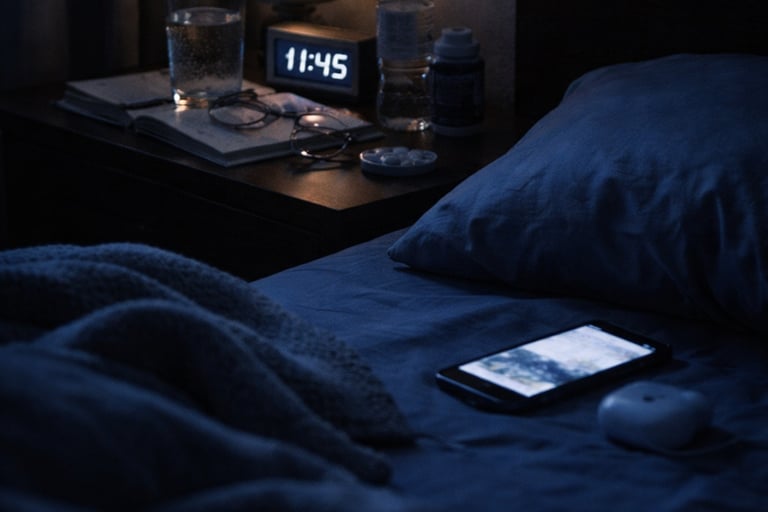
From a psychiatric perspective, revenge bedtime procrastination is linked to impaired self-regulation, reward-seeking behavior, and chronic stress.
Sleep deprivation reduces prefrontal cortex functioning, making impulse control weaker at night. This creates a cycle where poor sleep further worsens decision-making.
Impact on Mental Health
Persistent sleep deprivation can contribute to or worsen:
Depression
Anxiety disorders
Irritability and emotional dysregulation
Reduced concentration and memory
Increased vulnerability to burnout
What begins as a coping strategy can eventually amplify psychological distress.
How to Reduce Revenge Bedtime Procrastination
Set Clear Evening Boundaries
Designate a fixed wind-down period that is protected from work and digital demands.
Reclaim Personal Time Earlier in the Day
Scheduling small moments of rest or enjoyment earlier reduces the urge to “steal” time at night.
Limit Nighttime Screen Exposure
Reducing blue light and stimulating content supports melatonin release and sleep onset.
Develop a Predictable Sleep Routine
Consistency trains the brain to associate routine with rest.
Assessing the Impact on Sleep
If bedtime procrastination has become frequent or is affecting daytime functioning, a structured sleep assessment can help clarify severity.
You may consider completing the Insomnia Severity Index (ISI) to understand how sleep difficulties are impacting your daily life.
When to Seek Professional Help
Professional evaluation is recommended if:
Sleep deprivation persists despite lifestyle changes
Mood, anxiety, or concentration problems worsen
Fatigue interferes with work or relationships
You rely on substances or screens to fall asleep
Frequently Asked Questions
Is revenge bedtime procrastination a mental disorder?
No. It is a behavioral pattern often linked to stress, burnout, and sleep deprivation.
Can this behavior cause depression or anxiety?
Chronic sleep loss can contribute to mood and anxiety disorders over time.
Is medication required?
Not usually. Behavioral and psychological interventions are often effective.
Learn more about the relationship between sleep and mental health in our Sleep & Mental Health resource page.
Link:
👉 Sleep & Mental Health
Reviewed by Dr. Mahendra Singh Uikey
Consultant Psychiatrist | AIIMS-trained
Providing evidence-based psychiatric care
If sleep patterns or nighttime habits are affecting your mental well-being, you may consider discussing your concerns during a confidential psychiatric consultation.